A flagship SUV inspired by the S-Class philosophy
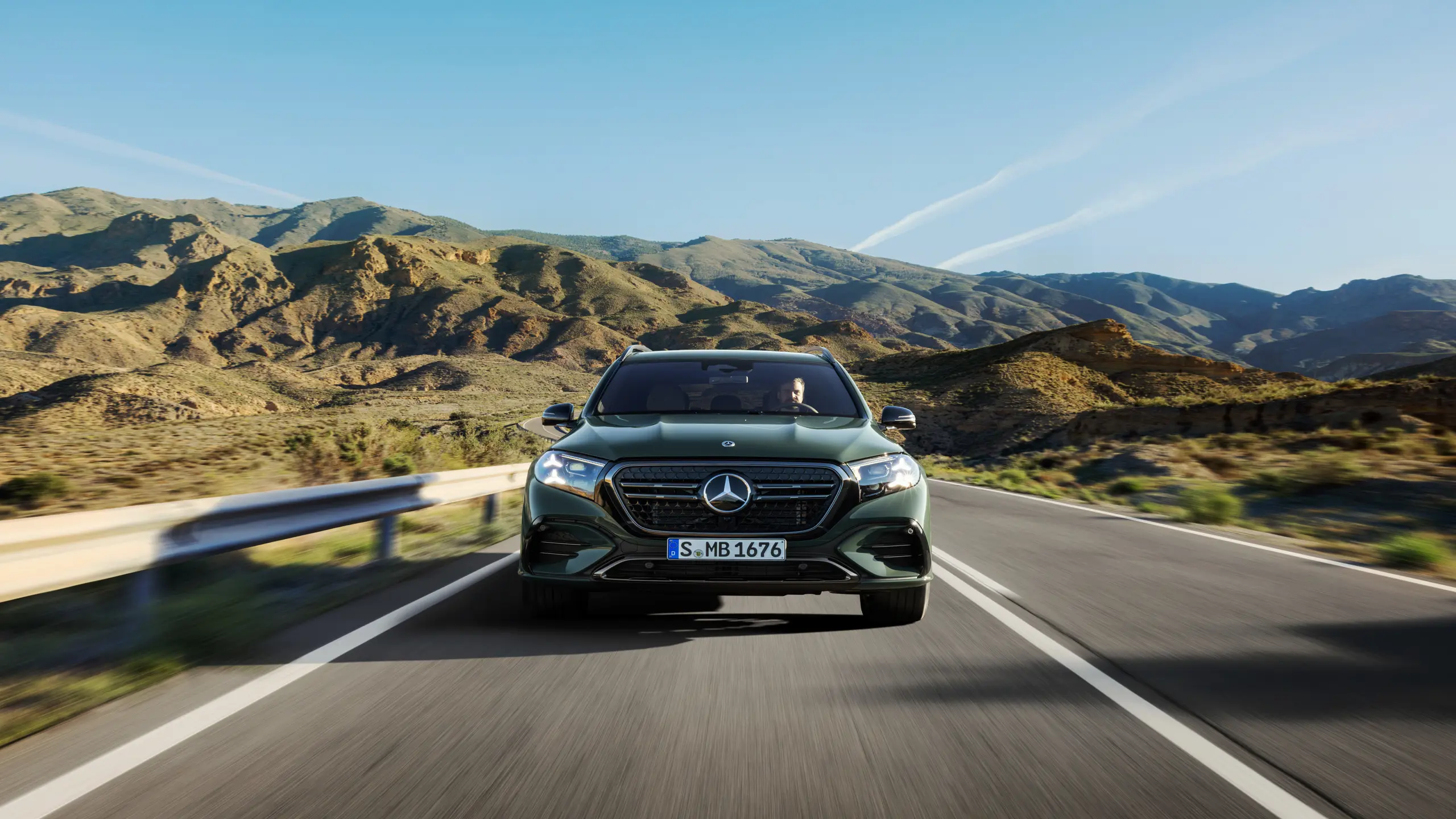
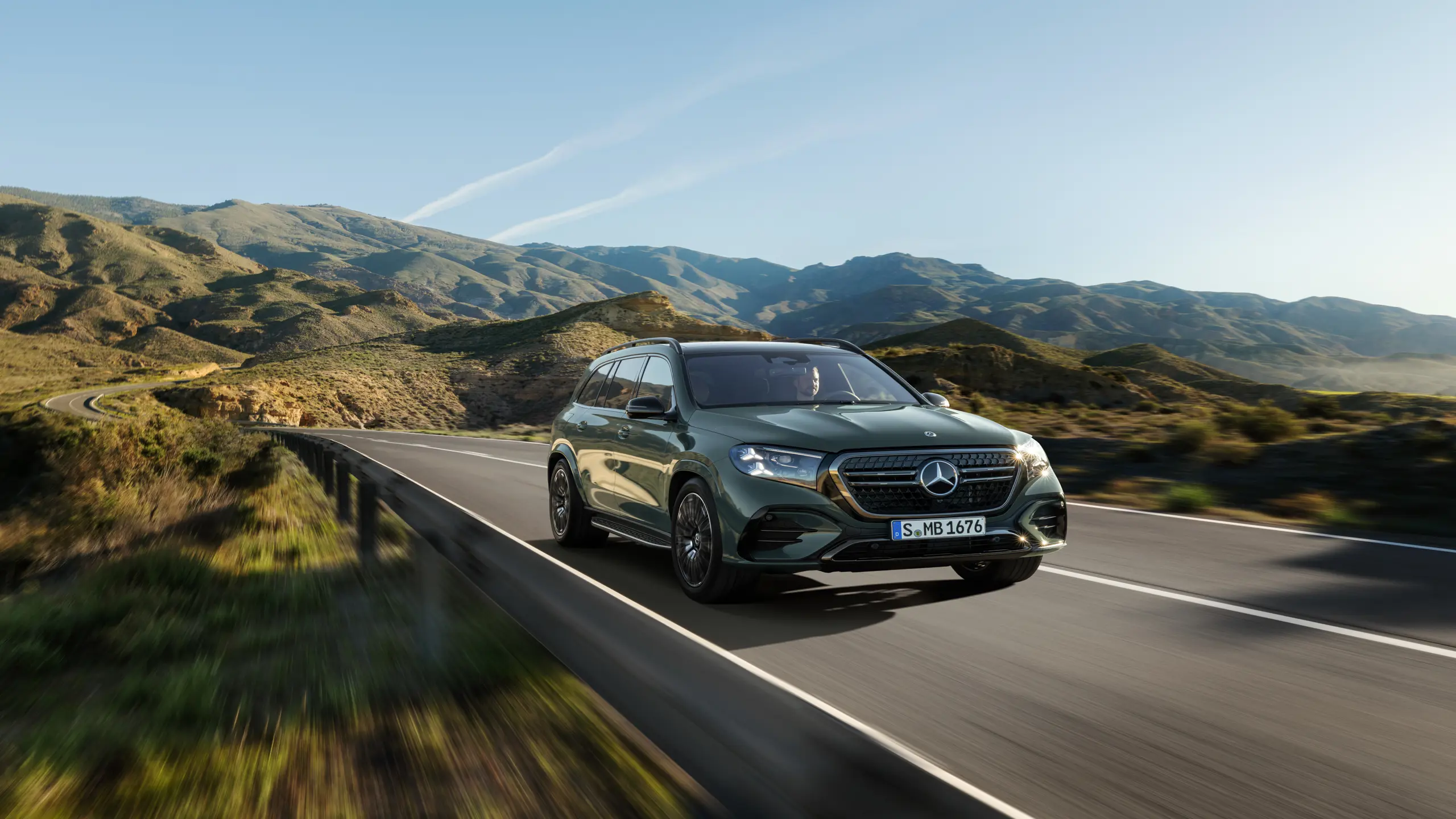
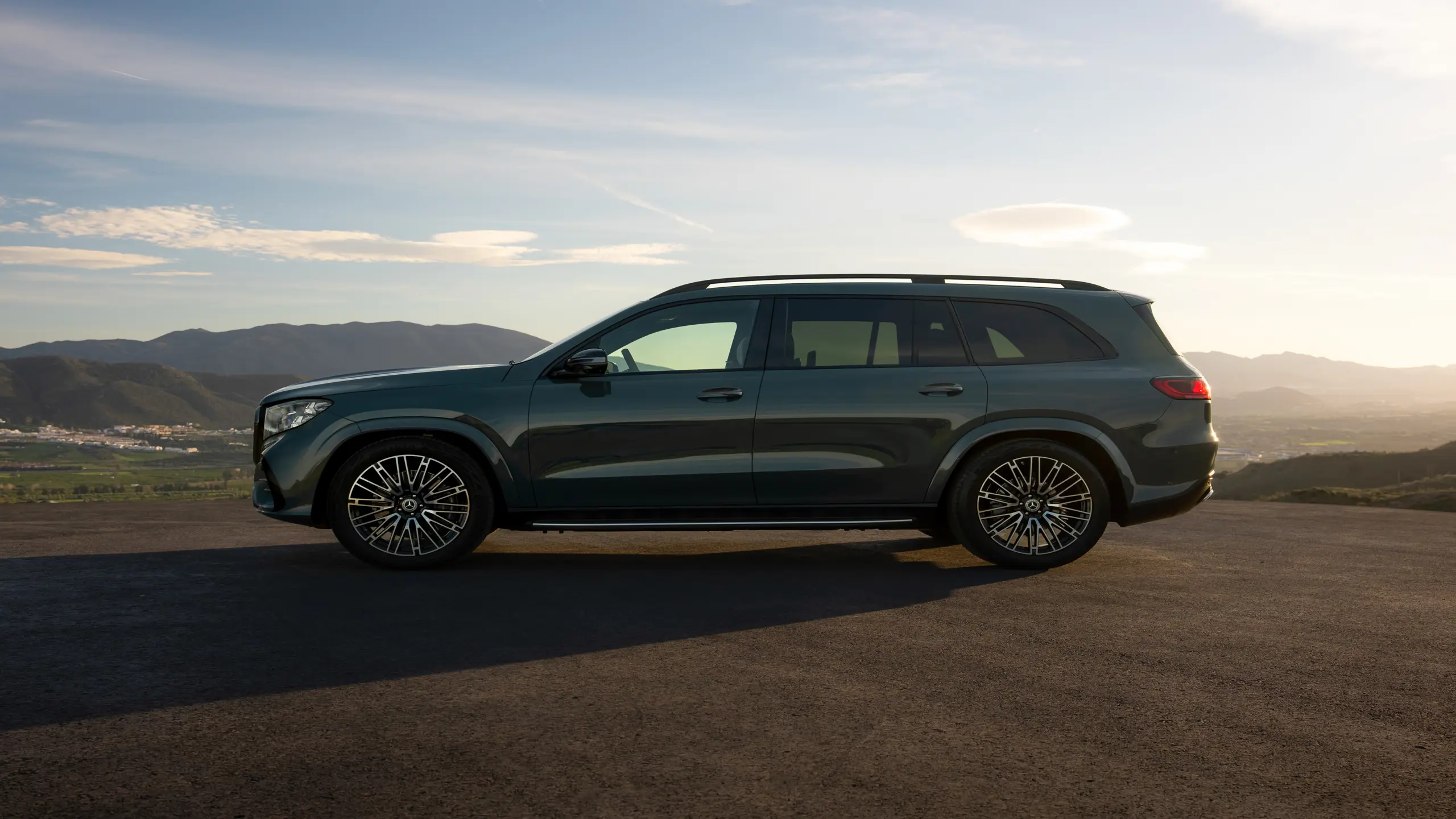
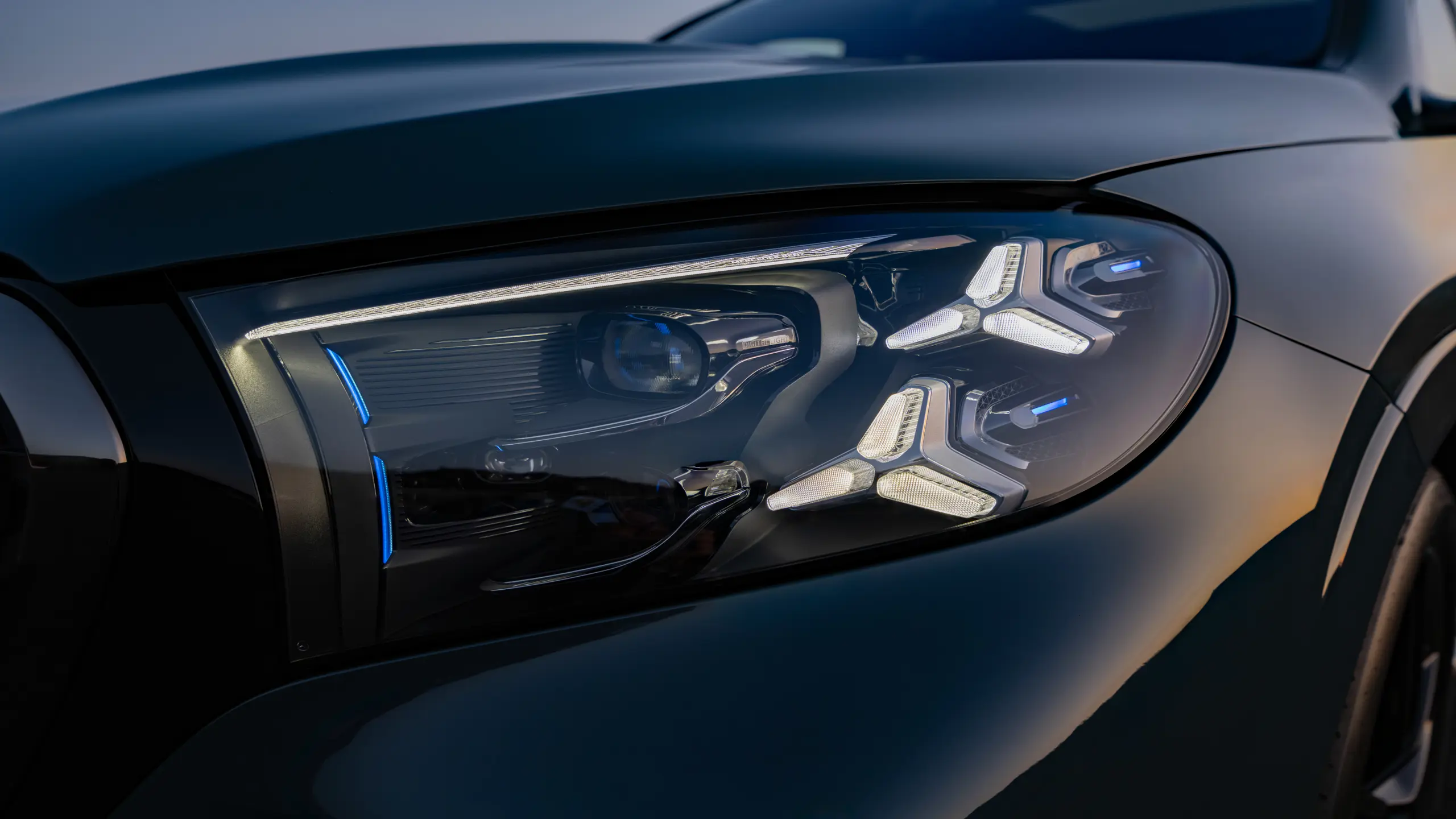
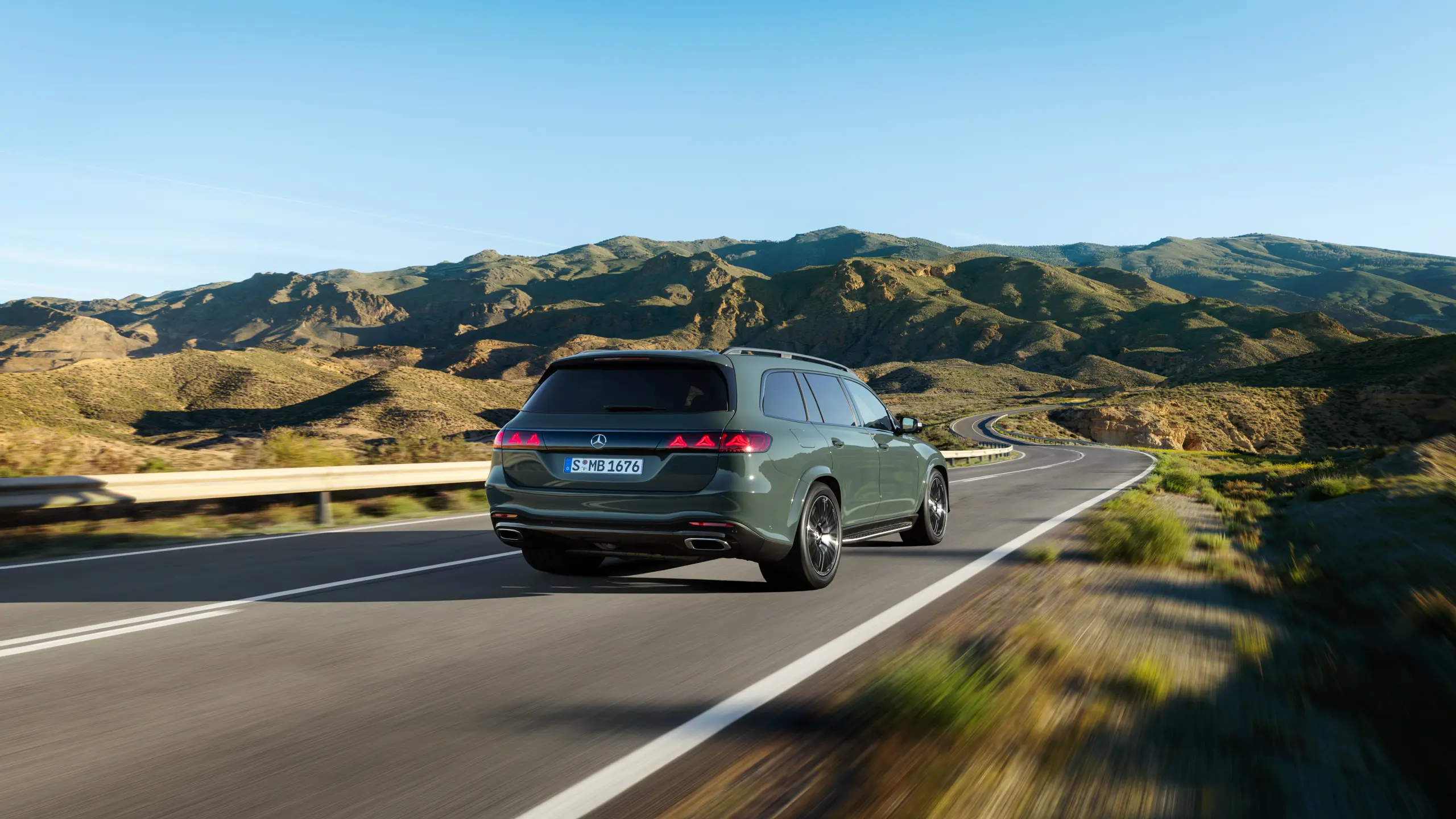
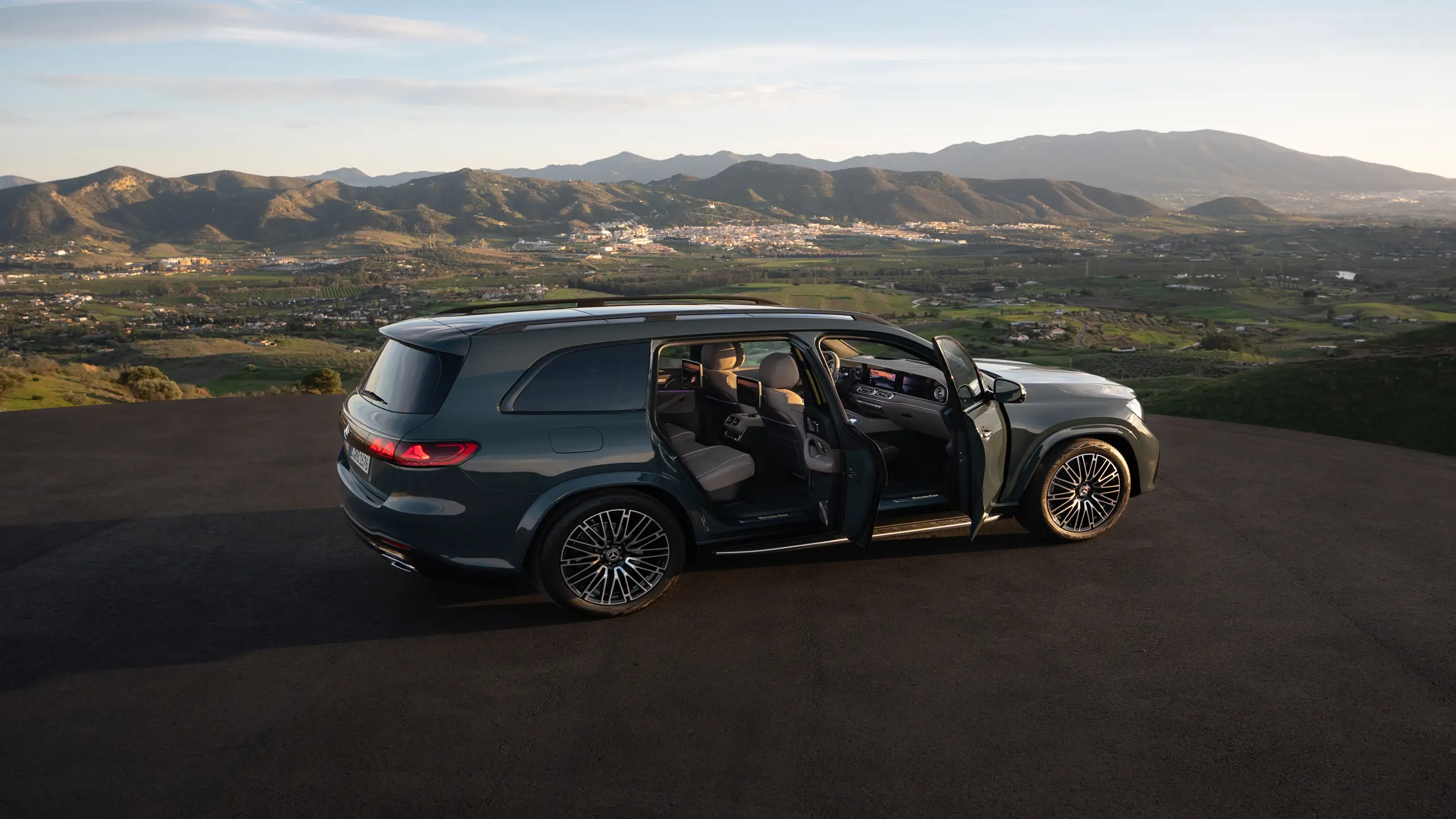
The new Mercedes-Benz GLS represents a major evolution of Mercedes-Benz’s largest luxury SUV, bringing the philosophy of the S-Class into a high-riding, seven-seat format designed for both long-distance travel and premium daily use. Mercedes-Benz presents the updated GLS as more than a facelift; it is positioned as a flagship model that combines prestige, comfort, and digital sophistication at the highest level. From the exterior, the model immediately signals its role within the brand’s hierarchy through a larger radiator grille, an upright bonnet star inspired by the S-Class, and new lighting signatures that strengthen road presence. In selected markets, the standing star can also be illuminated, adding an extra visual statement associated with exclusivity. The proportions remain imposing, with over five metres in length and a wheelbase that allows exceptional interior spaciousness across all three seat rows. Mercedes-Benz continues to offer seven seats as standard, with all rows electrically adjustable and enough space even in the third row for taller passengers. This practical versatility is one of the GLS’s defining strengths because it combines executive comfort with family-oriented functionality. The panoramic roof, standard on every model, further amplifies the open atmosphere in the cabin and contributes to the premium character expected in this segment. The updated front and rear styling also reinforces the GLS identity within the current Mercedes-Benz SUV portfolio. New star-pattern headlamps and redesigned tail lamps create stronger visual continuity with newer Mercedes models while preserving the vehicle’s recognisable silhouette. Additional paint options and wheel designs increase personalisation opportunities, especially through the MANUFAKTUR programme, which remains central to Mercedes-Benz’s luxury strategy. Altogether, the exterior updates do not radically change the GLS, but they sharpen its status as a luxury product designed to command attention without excessive aggressiveness.
More powerful engines with greater refinement
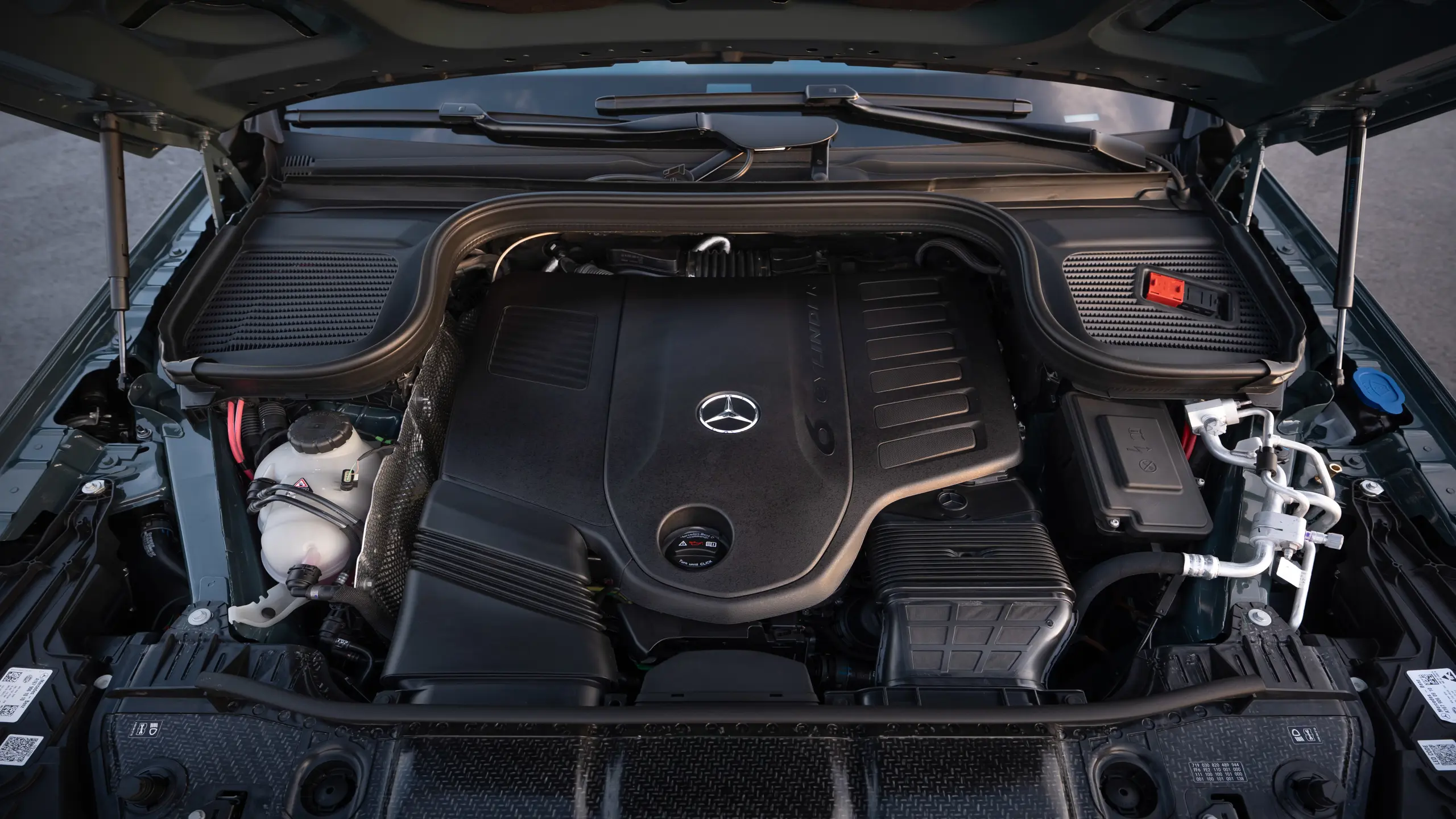
Under the bonnet, Mercedes-Benz has significantly revised the GLS powertrain range to improve both responsiveness and efficiency while maintaining the refined driving character expected from a flagship SUV. The most powerful version, the GLS 580 4MATIC, uses an updated V8 engine that now produces 395 kW and 750 Nm of torque. Beyond the raw numbers, engineers focused heavily on smoother power delivery, improved throttle response, and future emissions readiness. One of the most important technical changes is the move to a flat-plane crankshaft, a notable engineering decision that improves combustion efficiency and helps meet stricter emissions standards without sacrificing the emotional performance expected from a V8 flagship. The six-cylinder petrol GLS 450 4MATIC also receives meaningful updates. Torque increases to 560 Nm, giving the vehicle noticeably stronger mid-range acceleration, especially in partial-load driving conditions such as overtaking or motorway cruising. Mercedes-Benz attributes this improvement to a stronger electric auxiliary compressor, revised intake design, and combustion optimisation. These changes are especially important because they improve drivability without fundamentally altering the smooth character of the inline-six layout. Diesel variants remain highly relevant in the GLS range, particularly in Europe, where the GLS 350d and GLS 450d now feature electrically heated catalysts for improved emissions control during cold starts and variable driving cycles. Mercedes-Benz also reduces weight through aluminium construction and incorporates technologies such as NANOSLIDE cylinder liners and advanced steel pistons derived from motorsport development. Across all engines, the integrated starter generator and 48-volt system continue to play a central role, enabling smoother start-stop operation, energy recuperation, and temporary electric boost. The result is a large SUV that feels more agile than before while preserving the acoustic refinement that remains one of the GLS’s strongest engineering achievements.
Suspension and assistance systems focused on comfort
Ride quality remains one of the defining priorities of the new GLS, and Mercedes-Benz has expanded this focus through further development of both suspension hardware and predictive chassis technology. The optional E-ACTIVE BODY CONTROL system continues to be one of the most advanced suspension solutions available in the SUV segment. Using more than twenty sensors and multiple control units, the system analyses road conditions up to one thousand times per second and adjusts each wheel individually. This allows the GLS to reduce body roll, minimise pitch under braking, and maintain composure over uneven surfaces in a way that often resembles luxury saloon behaviour rather than SUV dynamics. A particularly notable innovation is the new cloud-based damper control integrated with AIRMATIC air suspension. This technology uses shared vehicle data through Mercedes-Benz Car-to-X communication, allowing the car to anticipate bumps before physically reaching them. The dampers are adjusted in advance, improving comfort especially over speed bumps and imperfect urban roads. This predictive suspension behaviour is especially noticeable for rear passengers, where vertical body movements are reduced before impact occurs. Driver assistance systems also move closer to semi-automated luxury standards. The GLS now uses ten cameras, multiple radar units, and twelve ultrasonic sensors working through MB.OS, the brand’s new operating architecture. Functions such as updated parking assistance, improved reversing support, and enhanced adaptive cruise control expand the vehicle’s ability to reduce workload in complex traffic conditions. Mercedes-Benz clearly aims to make the GLS feel less like a heavy full-size SUV and more like an intelligent luxury companion that actively assists rather than merely reacts.
A digital interior designed for every passenger
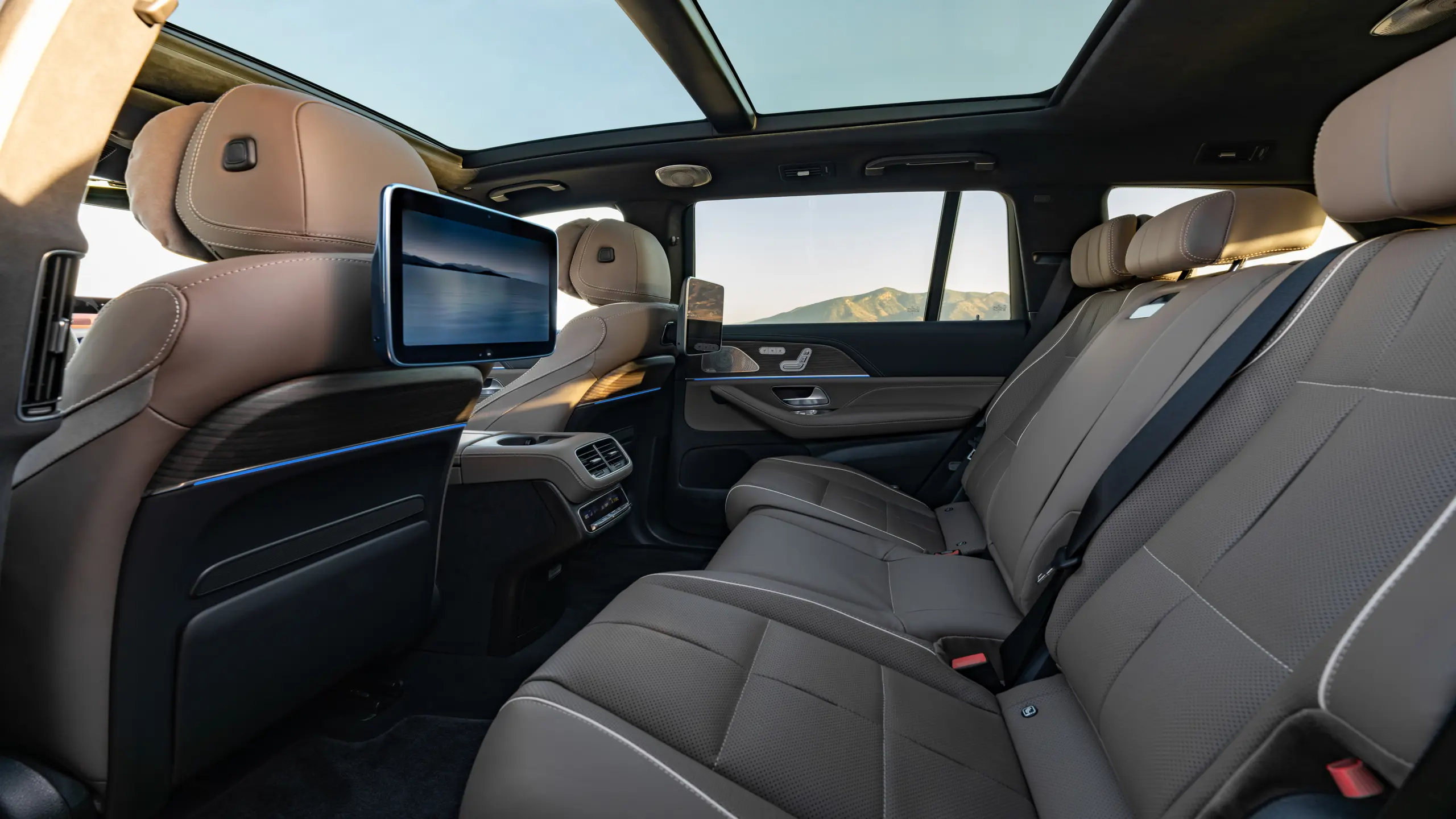
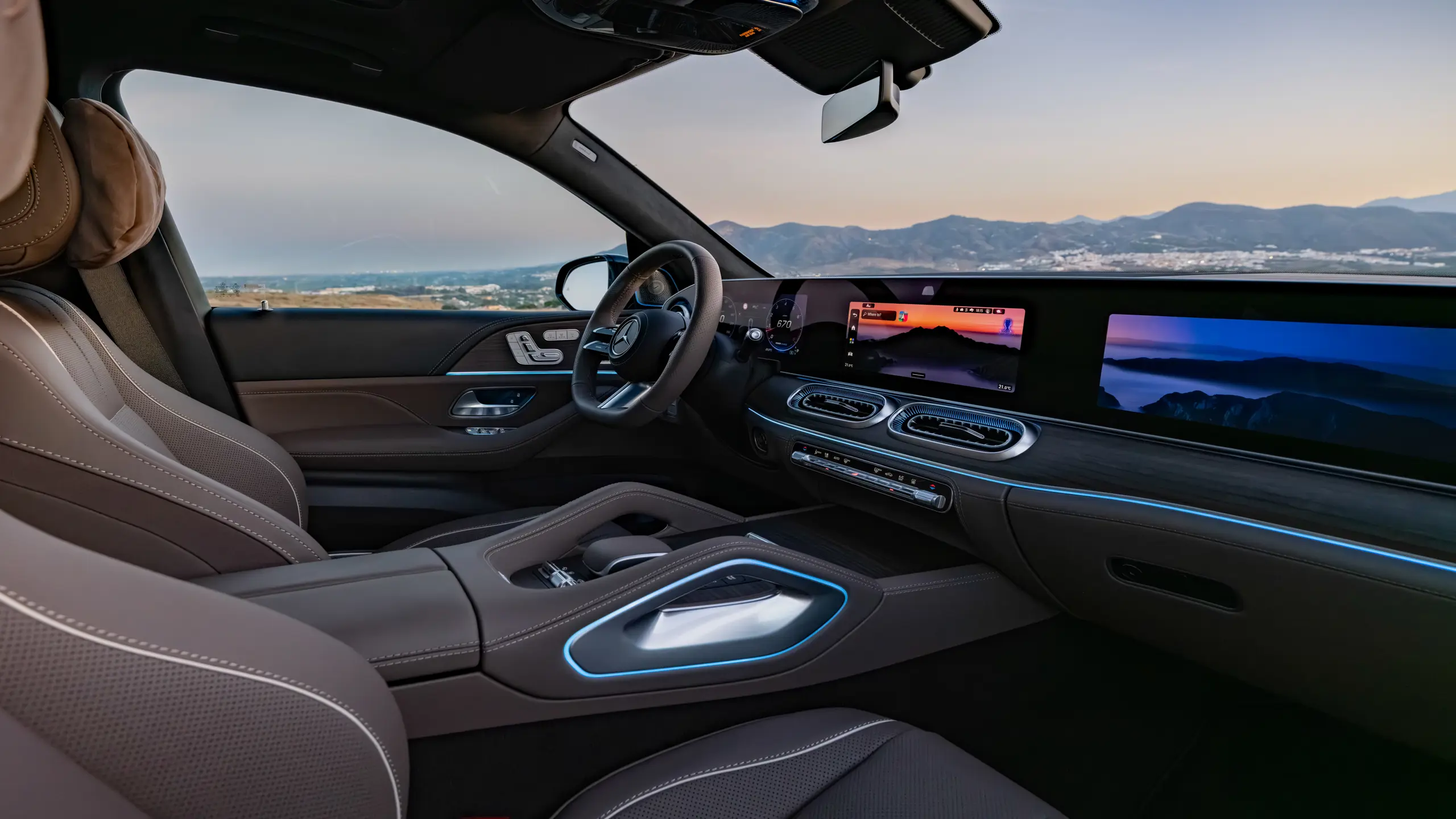
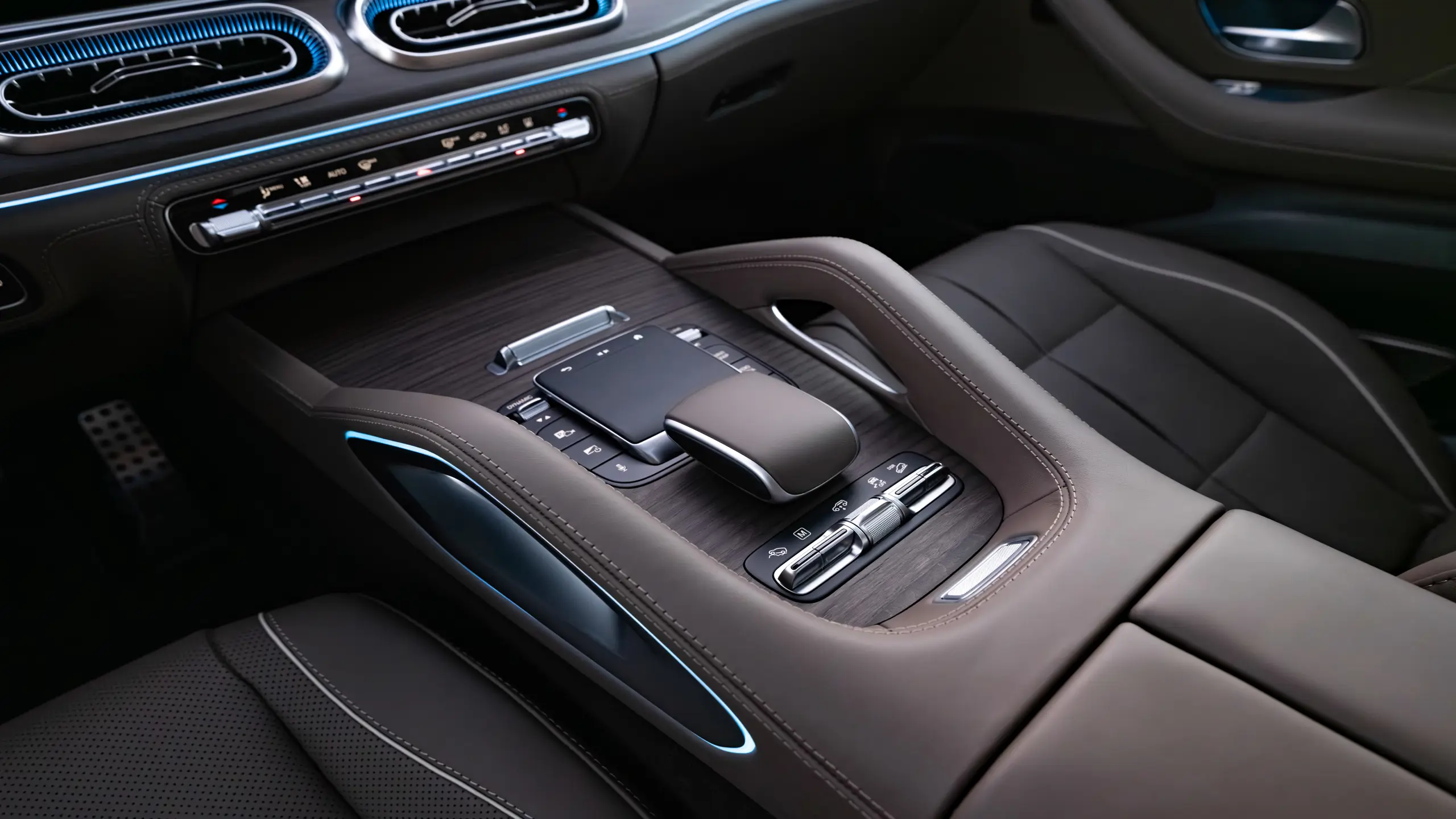
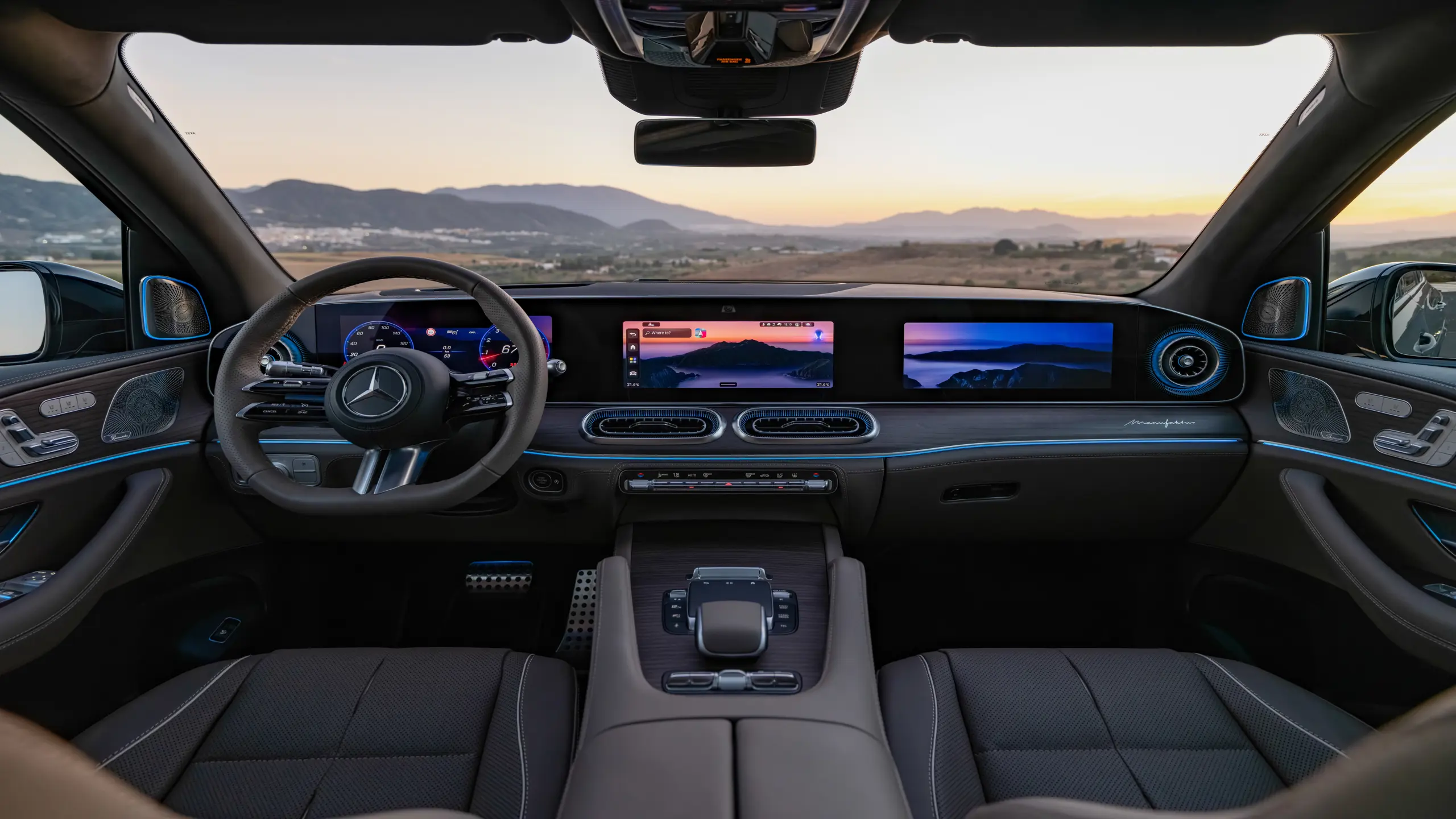
Inside, the new GLS adopts many technologies previously associated with Mercedes-Benz flagship saloons, led by the standard MBUX Superscreen. Three 12.3-inch displays sit beneath one continuous glass surface, creating a highly modern dashboard that combines digital elegance with intuitive layout. The interface is powered by MB.OS, which allows over-the-air updates, app integration, cloud-based services, and AI-supported interaction through the latest MBUX Virtual Assistant. Mercedes-Benz increasingly positions software as a long-term ownership advantage, ensuring the GLS remains technologically current long after purchase. The passenger display adds another premium layer, particularly because it can stream video content independently while intelligent monitoring prevents driver distraction. Rear passengers receive equally strong attention through optional high-end rear entertainment with dual 11.6-inch screens, removable control devices, and full integration of comfort settings. Mercedes-Benz is clearly treating every seating position as part of the luxury experience rather than focusing only on the front row. Comfort enhancements extend beyond screens. New interior colours such as Beech Brown create a warmer cabin atmosphere, while revised seat massage systems now include vibration functions for deeper relaxation. Ventilated seating also benefits from improved airflow through redesigned fans. Air quality receives equal attention through a new electric filtration system capable of monitoring fine particles and harmful gases in real time. Together with five-zone climate control and advanced ambient lighting, the GLS interior becomes a carefully engineered space where luxury is measured not only by materials but by the constant management of comfort, atmosphere, and wellbeing.